
Restaurant Loyalty Programs That Work: Why POS Integration Decides Everything
Nearly half of US diners changed their favorite restaurant in the past year. A loyalty program only fights that if it is wired into the POS. Here is how to do it.
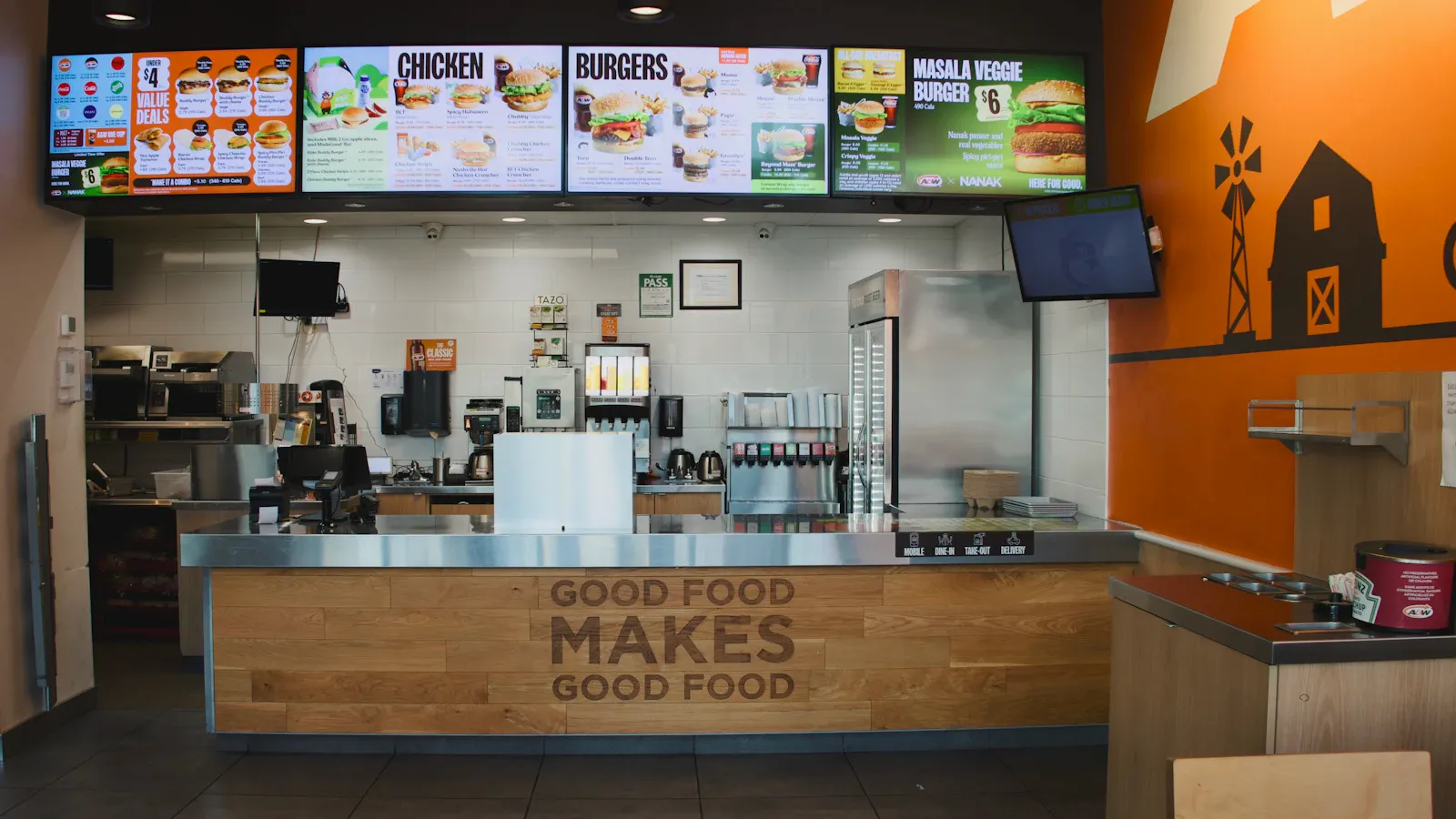
Diners have never been less loyal or more price-sensitive. A loyalty program can win them back, but only if it is wired into the point of sale. Most programs fail not because the rewards are wrong, but because the till does not know who is standing in front of it.
By Waseem Ahmad, Sofyrus Technologies · Published August 5, 2026 · Updated November 6, 2026
Quick answer
A restaurant loyalty program works when it is integrated with the POS: every check links to a member automatically, rewards redeem at the till in one step, and offers are based on what each guest actually orders. Without POS integration, visits go unrecorded, staff skip the step at peak hours, and personalization is impossible because the data is too thin.
Key takeaways
- 45% of US diners changed their favorite restaurant in the past year, up from about a third in 2025, and dissatisfaction with loyalty programs nearly doubled (Tillster 2026 Phygital Index).
- 77% of US diners say loyalty offers would make them visit more often (YouGov 2025).
- 67% of restaurant loyalty members belong to two or more programs (Deloitte), so you compete inside the guest's wallet.
- The single best health metric: the share of transactions linked to a member. A low number means the POS flow is broken.
Why most restaurant loyalty programs disappoint
Let me describe a program I have seen in many variations. The brand launches an app with a points scheme. Marketing promotes it. Sign-ups look good for a month. Then the numbers flatten. Redemption is low, visit frequency barely moves, and finance starts asking whether the discounts are worth it.
Look at the till. At lunch rush, the cashier has three seconds per guest. Asking "do you have our app?" and typing a phone number takes ten. So the step gets skipped. The guest earns nothing, the system learns nothing, and the program slowly dies of starvation.
That is the core insight: a loyalty program is a data system first and a marketing system second. If data capture at the point of sale is not effortless, nothing downstream works.
The numbers behind the urgency
Tillster's 2026 survey of 2,144 US diners found 45% changed their favorite restaurant in the past year. That is churn at a level that should worry any brand. YouGov found 37% of diners used a restaurant loyalty program in the past year and 77% said loyalty offers would make them visit more. Industry data reported by PYMNTS put enrollment at 48% of diners in 2025.
A Toast survey of 1,400 diners found only about one in five felt they received a truly personalized experience. That is the gap. Guests will join and they want to be recognized. Most programs cannot recognize them, because the data never made it from the till to the loyalty system.
Why POS integration decides everything
Without integration:
- Points depend on a cashier typing a phone number or a guest scanning a receipt later
- Visits go unrecorded, especially at peak hours
- Data is too thin to personalize, so every offer is generic
- Redemption needs workarounds, codes or manager approval
With integration:
- Every check is linked to a member automatically, by app scan, phone number or card
- Rewards appear on the POS screen and redeem in one tap
- Item-level history lets offers match what each guest actually orders
- Reporting compares member and non-member behavior accurately
The architecture we use
| Component | What it does | Design rule |
|---|---|---|
| Member identity | App, digital wallet card or phone number; consent captured once | Identification must take under two seconds at the counter |
| POS connector | Listens for checks, attaches member ID, sends line items, returns available rewards to the till | Must support every POS version across your branches |
| Loyalty engine | Earn and burn rules, tiers, expiry, fraud checks, campaigns | Rules simple enough to explain in one sentence |
| Engagement layer | Push, SMS and email triggered by behavior | Triggers, not blasts: lapsed 21 days, first visit, birthday |
| Analytics | Frequency, average check, redemption, member vs non-member revenue | One dashboard owned by one person |
The POS connector is where most of the engineering effort goes, particularly for multi-branch chains running several POS versions or brands. On the Mukafaat loyalty platform and our POS work for restaurant and fast-food chains, the connector is the component that determines whether the whole program succeeds.
Design rules that keep guests engaged
- Earn on the first visit. An instant small reward beats a big one that needs ten visits. The first reward creates the habit.
- Redeem in one step. If redemption needs a manager or a code lookup, it fails at lunch rush.
- Personalize with real order data, not with segments guessed from age or location. "Your usual with a free side" beats "20% off for 25–34 year olds."
- Keep the rules explainable in one sentence at the till.
- Reward behavior you want, such as visiting on slower days or trying new items, not just spend.
- For Saudi chains, design in Arabic and English from the start, with campaigns planned around Ramadan, Eid, national holidays and school calendars.
Points, tiers or subscriptions?
| Model | Works best for | Watch out for |
|---|---|---|
| Visit-based (buy 9, get the 10th free) | Quick service, coffee | Easy to copy, little data on preferences |
| Points per riyal or dollar | Most QSR and casual dining | Points liability on the balance sheet |
| Tiers | High-frequency guests, premium brands | Complexity; tiers nobody reaches demotivate |
| Paid subscription | Very high-frequency categories | Must deliver clear value every month |
Most chains do best with points plus a few personalized offers. Add tiers only when you have enough frequent guests for them to mean something.
Metrics that prove ROI
- Member-linked transaction share. Aim high. A low share means the POS flow is broken.
- Visit frequency: members versus comparable non-members.
- Average check for members.
- Redemption rate, and the cost of rewards as a share of member revenue.
- Win-back rate on lapsed members after a triggered campaign.
Report these monthly to the leadership team. A loyalty program that cannot show incremental visits will eventually be cut, rightly.
A practical rollout
- Audit the POS estate: which systems and versions run in which branches, and what integration each supports.
- Pilot in a handful of branches with the full flow: identify, earn, redeem, report.
- Train staff on the two-second identification and measure the linked-transaction share daily during the pilot.
- Roll out by region, then add triggered campaigns once data volume supports them.
- Add pay-at-table or kiosk integration so ordering channels feed the same member profile.
Common mistakes
- Launching the app before the POS integration. Sign-ups without data capture are vanity.
- Overcomplicated rules that cashiers cannot explain.
- Generic blast campaigns that train guests to wait for discounts.
- No owner for the data, so nobody acts on what it shows.
Frequently asked questions
Why does a restaurant loyalty program need POS integration?
Without it, points depend on staff entering codes or guests scanning receipts, so many visits go unrecorded. With it, every check links to a member automatically, rewards redeem at the till, and you get item-level data for personalization.
What rewards work best for quick service restaurants?
Simple, fast rewards: a free item after a set number of visits, points that convert to menu items, and personalized offers based on what a guest actually orders. Speed of earning and redeeming matters more than complex tiers.
How long does it take to launch a restaurant loyalty program with POS integration?
For a chain on a POS with open APIs, a first version with earn, burn, an app or wallet card and basic campaigns typically takes 10 to 16 weeks, depending on how many POS versions and branches are involved.
How do you measure whether a loyalty program is working?
Compare visit frequency and average check for members against similar non-members, and track the share of transactions linked to a member. If members do not visit more, the program is a discount, not a loyalty engine.
Should a Saudi restaurant chain use a different approach?
The fundamentals are the same, but design in Arabic and English, plan campaigns around Ramadan and national holidays, and support the payment methods Saudi guests use, including mada and wallets.
How Sofyrus helps
We build loyalty platforms, POS systems and integrations for restaurant, fast-food and retail chains, including the Mukafaat loyalty platform. See our retail, loyalty and POS solutions. To add pay-at-table, read our guide on QR pay-at-table payments.
Running a loyalty program nobody uses? Book a review and we will show you where the POS flow is leaking members.
Sources
- Tillster, 2026 Phygital Index Executive Summary
- YouGov via Restaurant Dive, US dining out report 2025
- PYMNTS, Loyalty programs drive restaurant decisions