Pay-at-Table QR Payments: Build vs Buy for Restaurants and Fintechs
Scan, split, tip, pay and leave. Pay-at-table is now expected in Saudi restaurants and spreading in the US. Here is what it really takes to build one.
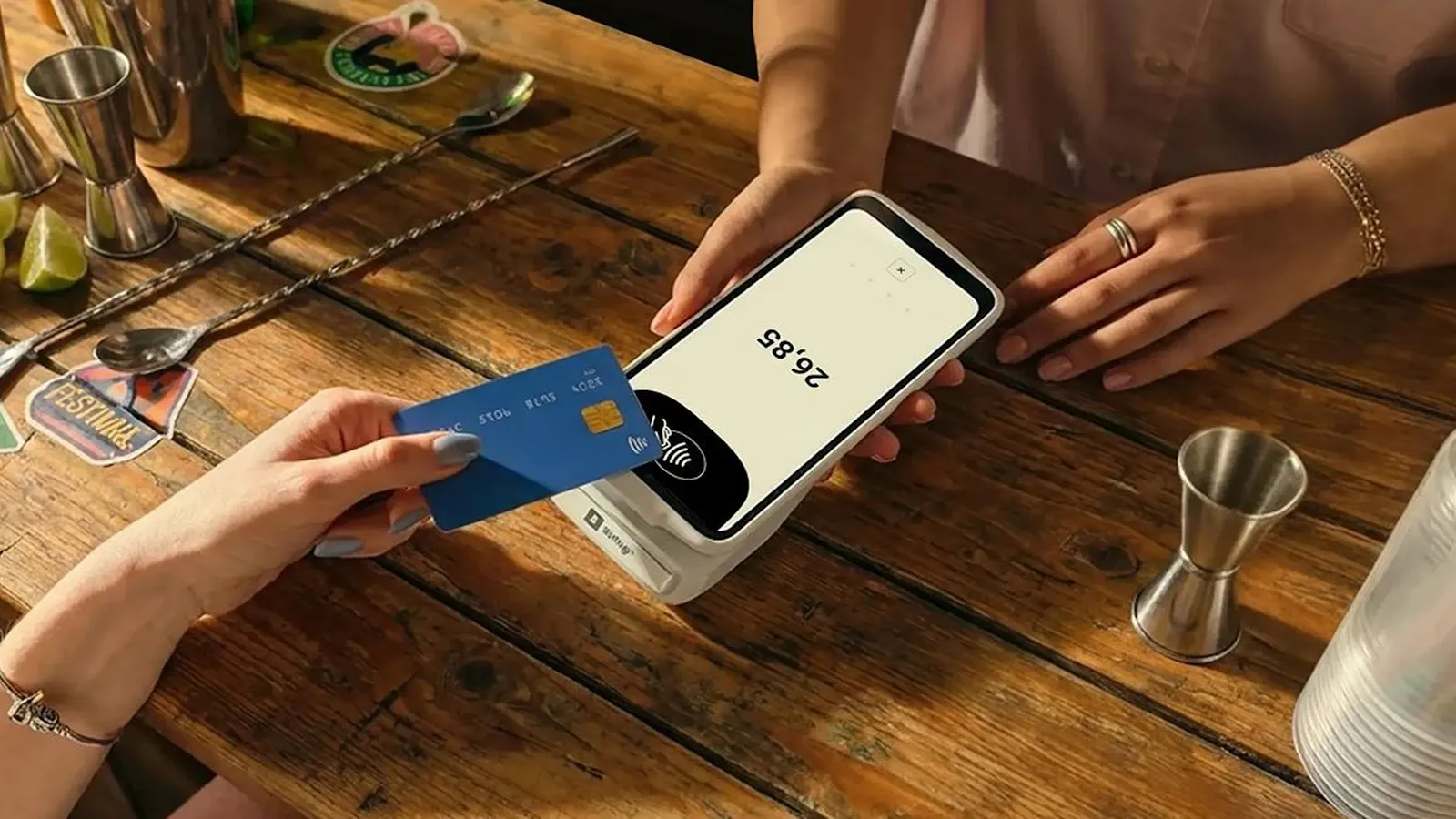
Scan the QR, see the bill, split it, tip and leave. Pay-at-table looks like a simple feature. Underneath, it is a payments business, a POS integration business and a reconciliation business at the same time. Know which of those you are signing up for before you build.
By Waseem Ahmad, Sofyrus Technologies · Published September 2, 2026 · Updated November 6, 2026
Quick answer
Pay-at-table links a QR code on each table to the open check in the POS. Guests view the live bill, split it, add a tip and pay by card or wallet, and the payment posts back to close the check. Most restaurants should buy or partner. Fintechs, POS companies and large restaurant groups should build when owning the payment relationship, the guest data and the margin across many venues is the strategy.
Key takeaways
- The hardest parts are POS integration, PCI DSS scope, SAMA licensing in Saudi Arabia, and daily reconciliation, not the QR screen.
- mada support is essential in Saudi Arabia, not just international card schemes.
- Qlub, a leading regional provider, says guests can pay in about 10 seconds and reports up to 19% faster table turnover.
- A first build with one POS integration typically takes 10 to 14 weeks.
Why pay-at-table took off
The slowest part of a restaurant visit is often the end. The guest is ready to leave, the server is busy, the card machine is at another table. That wait costs the restaurant a table turn and costs the guest goodwill.
From the restaurant's side, pay-at-table converts dead time into capacity. Faster payment means more covers per shift, and digital tipping prompts typically lift tips. From the guest's side, it means control: see the bill when you want, split it how you want, leave when you want.
Saudi Arabia is one of the most cashless markets in the region, and contactless card and wallet payments are now the default for most diners. That made it fertile ground. We build Thankio, a Saudi pay-at-table platform that is part of the Saudi Brothers group, so the points below come from shipping one.
How it works under the hood
- Table-to-check mapping. Each QR code identifies a venue and table. The platform looks up the open check for that table in the POS.
- Live bill. The guest sees items, VAT and service charges, synced from the POS in real time. If the server adds a dessert, it appears.
- Split and tip. Split by item, by amount or evenly; then add a tip.
- Payment. Card, mada, Apple Pay and other wallets through a tokenizing payment gateway, so card data never touches your servers.
- Post-back to the POS. The payment closes or partially closes the check. The server sees it instantly and the table can be turned.
- Settlement and reporting. Payouts, fees, tips and refunds are reconciled per venue, per day.
Steps 1, 2 and 5 are POS problems. Step 4 is a payments and compliance problem. Step 6 is an accounting problem. The QR screen everyone sees in the demo is the easy part.
The hard parts nobody mentions in demos
POS integration
This is where most of the effort goes. Every POS brand, and often every version, exposes checks differently. Some offer modern APIs, some offer database access, some offer nothing without a partnership agreement. Then come the edge cases:
- Two guests paying parts of the same check at the same moment
- A server voiding an item after a guest has started paying
- A check transferred between tables mid-meal
- The POS going offline while a payment is in flight
Each needs a defined behavior. Get them wrong and you get double charges, open checks and very unhappy restaurant managers.
Compliance
- PCI DSS. Use a gateway's hosted fields or SDK so card data never enters your environment. That narrows your compliance scope dramatically. Building your own card capture is almost never worth it.
- SAMA. In Saudi Arabia, payment services are regulated by the Saudi Central Bank. Most new entrants launch through a licensed payment partner before seeking their own authorization.
- mada. Local debit cards must be supported. A product that only accepts international schemes will lose a large share of Saudi transactions.
- VAT. Bills must show VAT correctly and receipts must meet local e-invoicing expectations where they apply.
Reconciliation
Restaurants care less about your interface than about whether the money lines up. Tips, service charges, VAT, refunds, chargebacks and fees must match the POS and the bank every day, per venue. Build reconciliation reports early. Finance teams are your real customers after go-live.
Build vs buy
| If you are... | Recommendation | Why |
|---|---|---|
| A single restaurant or small group | Buy | Pick a provider that supports your POS; you need the outcome, not the platform |
| A large group with several brands | Partner or white-label | Own the guest data and brand experience without owning payments risk |
| A fintech or bank entering hospitality | Build, with a licensed acquiring partner | The payment relationship and data are the product |
| A POS company | Build it into your product | Native integration is your advantage |
Build when owning the payment relationship, the guest data and the margin across many venues is the strategy. Otherwise, the integration and compliance cost rarely pays back.
The business model question
If you build, be clear how you make money, because it shapes the product:
- Per-transaction fee to the restaurant: simple, but competes with the restaurant's existing card fees.
- Convenience fee to the guest: reduces restaurant cost but can annoy guests.
- SaaS subscription per venue: predictable, but harder to sell to small venues.
- Data and loyalty services: the long-term value, but only once you have scale.
Many successful platforms combine a transaction fee with loyalty and marketing features that make restaurants stay.
What a build looks like
- Phase 1 (10–14 weeks): one POS integration, QR flow, split and tip, gateway payments, merchant dashboard.
- Phase 2: more POS integrations, receipts and feedback, loyalty integration, richer reporting.
- Phase 3: settlement automation, multi-currency and multi-country expansion.
Pick the first POS integration by market share among your target venues, not by which API is easiest.
Pay-at-table plus loyalty
The most valuable thing pay-at-table gives a restaurant is identity. A guest who pays through the platform can be recognized next time, earn rewards and receive offers based on what they ordered. Connected to a loyalty program, pay-at-table turns anonymous diners into known guests. That is where the long-term value sits.
Measuring whether it works
Restaurants judge pay-at-table on a few numbers, and your dashboard should show them per venue:
- Adoption rate: share of checks paid through the QR flow
- Time from bill request to table free, before and after
- Average tip percentage through the platform versus card terminals
- Payment failure and dispute rate
- Reconciliation exceptions per day
If adoption is low, the problem is usually table signage, server habits or a slow first screen, not the payment technology.
Common mistakes
- Underestimating POS edge cases and discovering them in production.
- Building card capture instead of using a gateway's tokenized fields.
- Launching without mada in the Saudi market.
- Weak reconciliation, which turns every restaurant's finance team against you.
- No server training, so staff see the product as a threat to tips rather than a help.
Frequently asked questions
How does QR pay-at-table work?
Each table has a QR code linked to the open check in the POS. The guest scans it, sees the live bill, can split it and add a tip, pays by card or wallet, and the payment posts back to the POS so the check closes automatically.
What do you need to launch a pay-at-table product in Saudi Arabia?
A licensed payment partner or your own SAMA authorization, mada plus international card and wallet acceptance, PCI DSS-compliant handling through a tokenizing gateway, POS integrations, Arabic and English UX, and daily settlement and reconciliation for restaurants.
Should a restaurant group build its own pay-at-table app?
Usually not. Most groups should buy or partner. Building makes sense for fintechs and large groups that want to own the payment relationship, guest data and margins across many venues.
How long does it take to build a pay-at-table platform?
A first version with one POS integration, the QR flow, split and tip, gateway payments and a merchant dashboard typically takes 10 to 14 weeks.
Does pay-at-table reduce tips for servers?
Digital tip prompts commonly increase tips. Train servers and show them the tip reports so they see the product as help, not competition.
How Sofyrus helps
We build payment and fintech products for Saudi Arabia and the US, including Thankio. See our fintech and payments software services. Pay-at-table works best combined with loyalty; see our restaurant loyalty and POS integration guide.
Planning a payments product for restaurants? Book a technical scoping call and we will map the POS, gateway and compliance path.
Sources
- Qlub, qlub.io
- Saudi Central Bank (SAMA), Payments regulation
- PCI Security Standards Council, PCI DSS